Touchpoints and Trust: Building Accessible 2026 Exhibitions of Keiskamma Embroidery
Photo: Ahoiyin, CC BY-SA 3.0, via Wikimedia Commons
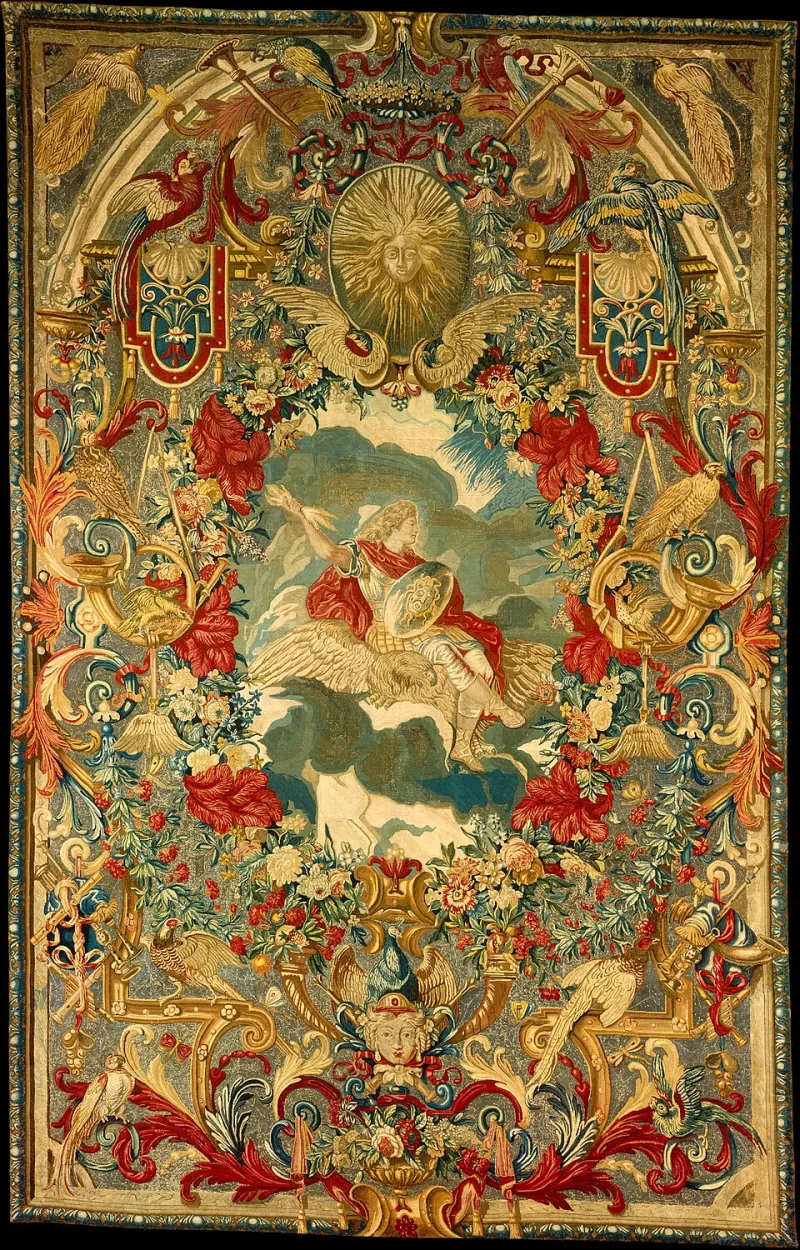
Keiskamma embroideries carry a particular invitation. Their surfaces are dense with stitch, their narratives are legible at close range, and their scale often suggests that a viewer could trace a figure or a riverbank with a fingertip. That invitation collides with a conservation principle that has served collections well for decades: hands off. The task for US venues in 2026 is not to choose between preservation and access. It is to design exhibitions in which touch, sound, and plain language are planned deliberately, with the consent of the artists and the cooperation of conservators.
Begin With the Artists, Not the Equipment
Accessibility planning often starts with a purchase order for tactile reproductions or an audio guide platform. A more durable starting point is a conversation with the Keiskamma Art Project about what may be touched, reproduced, or described in detail. Embroidered narratives are not interchangeable decor. Some works depict family histories, illness, or grief; others carry community agreements about how a story may be told. A label that reads well in Chicago may misstate a work's origin in Hamburg.
Ask three questions before any vendor is contacted. Which works may be represented through tactile replicas? Which may be photographed for audio description scripts? Which stories require a named narrator or a translated quotation rather than a curatorial paraphrase? Record the answers in writing, and revisit them if the checklist changes. Consent obtained once is not consent held indefinitely.
Build a Touchable Vocabulary
The most reliable tactile programming does not depend on visitors handling original textiles. Instead, it assembles a small study collection that translates the material language of the work: a square of wool blanketing, a section of cotton sheeting, a mounted sample showing the difference between a satin stitch and a running stitch, a small bead panel, a button cluster. These objects can be handled repeatedly without conservation risk and without altering the original.
For narrative works, consider a raised-line diagram or a thermoform relief that outlines the composition rather than reproducing it. A diagram of a large embroidery might show the position of a central figure, the edge of a river, and the border pattern. Pair the diagram with a short verbal orientation delivered by a docent or an audio stop. The goal is orientation, not replication: a visitor should leave knowing how the work is arranged and what it asks them to notice.
Original works can sometimes be made available for supervised touch, but this should be the exception, decided work by work, with the artist's written agreement and the conservator's assessment. Where touch is permitted, use gloves, limit the number of visitors per session, and place the work at a height that reduces pressure from leaning. Never allow touch on a work that is fragile, heavily beaded, or structurally unstable, even if the artist is willing.
Audio Description as Translation
Audio description for textile art is often treated as a verbal photograph. A better model is translation. A description should convey structure, material, color relationships, and the sequence of the narrative, not just a list of objects. For a Keiskamma embroidery, that might mean explaining that the composition is built in horizontal bands, that the stitching tightens in the central panel, and that the border repeats a motif found in neighboring works.
Write scripts in consultation with the artists and with blind and low-vision reviewers. Offer at least two lengths: a short stop of forty-five to sixty seconds and a longer version for visitors who want detail. Provide transcripts in large print and in a digital format compatible with screen readers. If the venue uses QR codes, place them at a reachable height and pair them with printed alternatives.
Plain Language and Sensory Mapping
Neurodivergent visitors benefit from information that is specific and predictable. Before the visit, publish a sensory map that notes lighting levels, ambient sound, seating, crowded periods, and the location of quiet spaces. Describe whether the galleries are carpeted, whether labels are matte or reflective, and whether any audio stops use sudden sound.
Labels themselves can be revised. A typical curatorial label may begin with a thesis and end with a date. A plain-language label begins with what the visitor is looking at, then offers context in short sentences. Keep quotations intact and clearly attributed. Avoid idioms that assume a US reference point. If a work refers to a South African place or event, include a brief gloss rather than assuming prior knowledge.
Train the Front Line
Access is delivered by people as much as by design. Front-of-house staff and volunteer docents should be briefed on the touch policy, the location of tactile materials, and the difference between describing a work and interpreting it. Give them language for declining a request to touch an original without implying that the request was unreasonable. A simple script helps: the original cannot be handled, but a sample and a diagram are available here.
Schedule at least one training session with a local accessibility consultant and, where possible, with a blind or low-vision community partner. Pay community advisors for their time. This is a recurring cost, not a one-time donation.
Budget for Access as Part of the Exhibition
Accessible design is often funded from a separate accessibility line, which makes it the first item cut. In 2026, US venues should build access into the exhibition budget from the start: tactile samples and fabrication, description writing and review, plain-language label production, staff training, and evaluation. A modest allocation, applied consistently, produces better results than a large grant spent on a single device.
Evaluation can be simple. Count how many visitors use tactile materials, collect short interviews with disabled visitors, and ask docents what questions they could not answer. Share the findings with the artists and with the lending community. Accessibility is not a certificate to be earned once. It is a practice of listening, adjusting, and returning to the people whose work makes the exhibition possible.