Listening With Permission: Presenting Keiskamma Oral Histories in US Venues
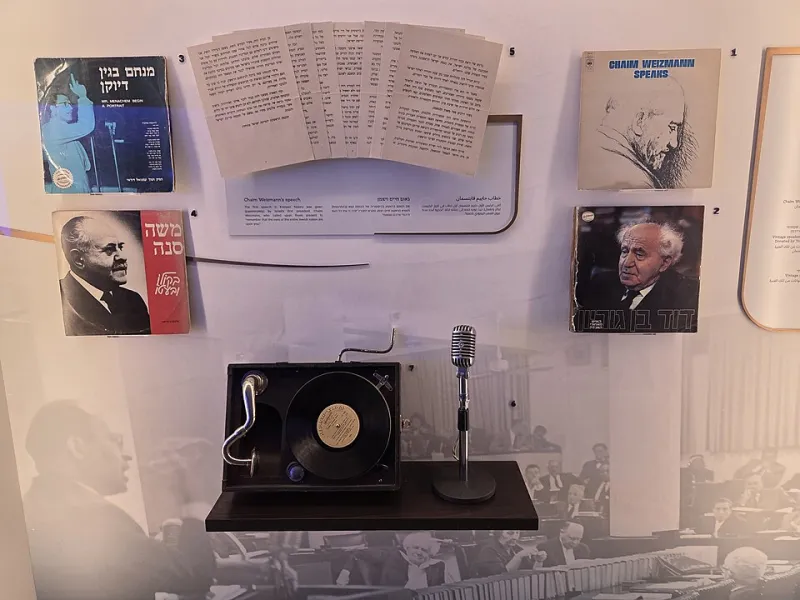
Photo: עודד פרגאי, CC BY 2.5, via Wikimedia Commons
Oral history in an exhibition is not a soundtrack. It is a relationship between a speaker, a record, a venue, and a listener. When American museums, libraries, universities, and community arts centers present Keiskamma oral histories in 2026, the quality of that relationship depends less on the sophistication of the headphones than on the ethics of the invitation. A listening station should make testimony easier to hear, not easier to consume.
Why listening is not atmosphere
The first risk is ambient use. A loop of voices in a lobby or galleries can make an exhibition feel inhabited, but it can also turn living testimony into background sound. Visitors move through, catch a phrase, and leave without obligation to the speaker. For Keiskamma oral histories, which carry family memory, land, craft knowledge, and sometimes difficult experiences, that framing is inappropriate. Testimony should be presented as a deliberate encounter with a clear beginning, a clear end, and a visible statement of consent.
A useful rule for US hosts is simple: if the audio would still play when no one is listening, reconsider the design. Listening stations should invite attention rather than fill space. They should also make the speaker present as a named person, not as an anonymous voice of the community.
Consent begins before the recorder starts
Consent is not a signature collected at the end of an interview. It is a process that begins with a clear explanation of purpose, duration, platform, and audience. Speakers should know whether their voices will be used in a gallery, online, in a catalog, in press materials, or in educational programming. They should know how long the excerpt will remain available and how they can request changes or withdrawal.
For cross-border projects, consent materials should be available in the speaker's preferred language and discussed orally as well as in writing. Compensation for interview time and review work should be considered where appropriate. If a venue cannot meet a condition, that limitation should be stated before recording, not discovered during installation.
Translation is an editorial act
Translation is not a neutral bridge. It involves choices about emphasis, silence, idiom, and pace. When Keiskamma oral histories are presented in the United States, venues should credit translators and interpreters by name where permission allows, retain the original audio when speakers agree, and provide transcripts that reflect the spoken record rather than a polished paraphrase.
Subtitles and transcripts should be reviewed by someone with linguistic and cultural knowledge. American audiences may expect a smooth voiceover, but a polished overdub can erase the speaker's cadence and authority. A better approach is often the original voice with accessible captioning, a printed transcript, and a short note explaining the translation process.
Design the station around agency
The physical design of a listening station communicates consent even before a visitor presses play. Autoplay should be avoided. Headphones should be comfortable and cleanable. Volume controls should be obvious. Seating should be available for longer excerpts, and a quiet route away from the station should be clear. Visitors should be able to pause, stop, and leave without feeling trapped by a narrative.
Each excerpt should carry a visible duration, a content note when needed, and a one-sentence description of what the listener is about to hear. If the station includes touchscreens, ensure that the interface does not force a linear sequence. If it uses QR codes, provide an alternative for visitors without smartphones. The goal is not seamless technology. The goal is informed attention.
Accessibility and US standards
American venues should apply accessibility standards from the beginning rather than retrofitting them after installation. Transcripts should be available in large print and digital formats. Captions should be accurate and synchronized. Screen-reader compatibility should be tested. Listening stations should be reachable from a seated position, and controls should be operable without fine motor precision. Where audio is central to interpretation, a text equivalent should be treated as part of the exhibit, not as an accommodation added on request.
Language access also matters. If the exhibition is presented primarily in English for US audiences, provide clear information about the original languages of the recordings and the role of translation. Avoid presenting English as the default voice of authority.
Community review and ongoing permission
Community review is not a single meeting before opening. It is a continuing agreement. A review panel should have enough time to listen to edits, read labels, and comment on framing. Reviewers should be compensated for their time where possible. The venue should document who approved what and keep a clear process for withdrawing consent after the exhibition opens.
If a speaker asks for an excerpt to be removed, the venue should have a plan for doing so promptly, including online copies and press materials. Consent should be revisited when an exhibition travels, when content moves online, or when excerpts are reused in educational programming. A permission granted for a gallery in 2026 is not automatically a permission for a website, a social media campaign, or a future tour.
A checklist for US hosts
- Confirm the purpose, platform, and duration of each recording with the speaker.
- Provide consent materials in the speaker's preferred language and discuss them orally.
- Budget for translation, transcription, review, and compensation.
- Credit speakers, translators, and reviewers by name where agreed.
- Avoid autoplay and ambient looping in public spaces.
- Include visible durations, content notes, and pause controls.
- Provide transcripts, captions, large-print texts, and screen-reader access.
- Train front-of-house staff to respond to visitors who are affected by the material.
- Establish a named contact for consent questions and withdrawal requests.
- Review all excerpts again before any online or traveling use.
Common pitfalls to avoid
Several habits are common in American exhibition practice and poorly suited to living testimony. The first is the singular voice of the community, which collapses many speakers into one representative. The second is the extraction of trauma as atmosphere, in which difficult stories are looped without context or care. The third is over-editing for fluency, which can remove the hesitations and rhythms that carry meaning. The fourth is treating consent as permanent. The fifth is presenting audio without a text equivalent and calling the station accessible.
A modest standard
A good listening room does not need to be elaborate. It needs to be honest about who is speaking, clear about how the recording will be used, and generous enough to let the listener stop. For Keiskamma oral histories, the measure of success is not how many visitors pass through the headphones. It is whether the speaker would recognize the encounter as respectful. In 2026, that standard is practical, achievable, and owed to the people whose voices make the exhibition possible.