A Traveling Classroom: Assembling a 2026 Keiskamma Teaching Kit Without Flattening the Story
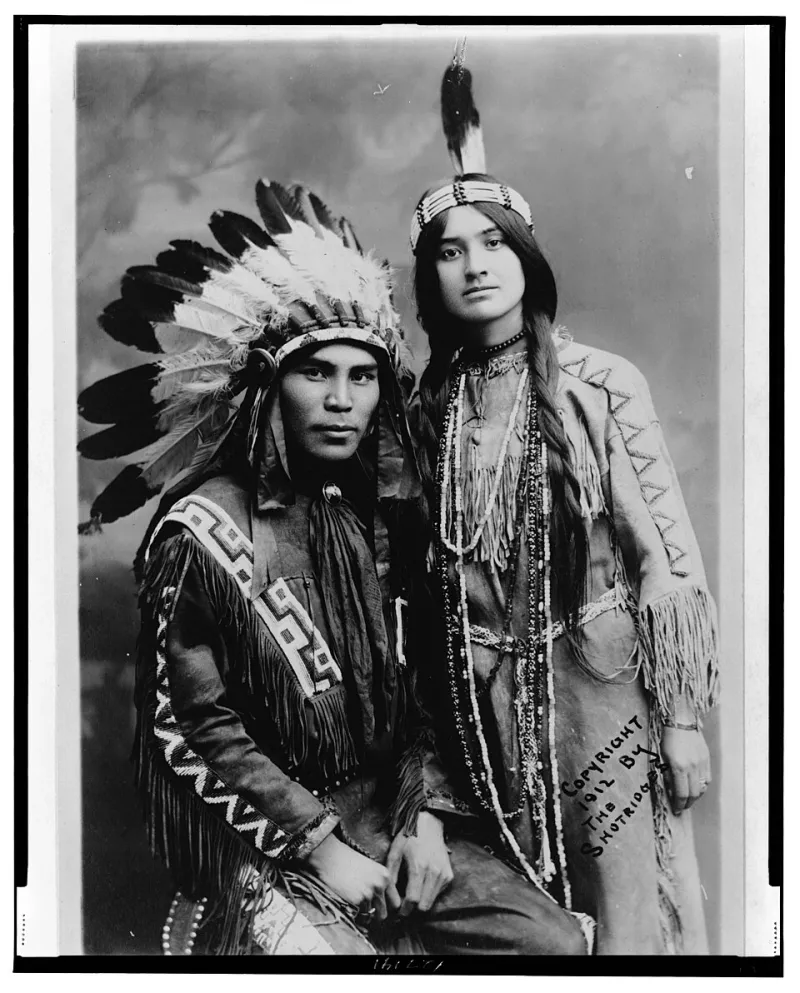
Photo: Miscellaneous Items in High Demand, PPOC, Library of Congress, Public domain, via Wikimedia Commons
When a Keiskamma loan exhibition closes in a US museum or community gallery, the learning does not have to end with the crates. A teaching kit can carry the exhibition into classrooms, library programs, and after-school settings for months afterward. But a kit is not simply a box of attractive images and generic worksheets. It is a set of relationships, permissions, and editorial choices. Built well, it extends the exhibition without turning a living culture into interchangeable curriculum content.
Begin With Permission, Not Production
The first question is not which images to print. It is who has agreed to their use, for what purpose, and for how long. US educators often work within institutional fair-use policies, but ethical practice should not rely on legal ambiguity alone. A responsible Keiskamma teaching kit documents consent from the artists or workshop representatives, the narrators of any oral histories, and anyone whose words appear in translation.
Create a simple permissions matrix before design begins. List each image, caption, audio excerpt, transcript, and translation. Record the approved context, the permitted audience, the term of use, and whether digital distribution is allowed. If a narrator agreed to a museum display but not to classroom reproduction, that boundary should be visible in the kit. If a textile image cannot be cleared, omit it rather than substituting a similar work without context.
This is also the moment to decide what the kit will not do. It should not permit commercial reuse, decorative merchandise, or AI training. It should not encourage schools to crop details in ways that detach a figure from its narrative. A short usage statement, written in plain language, protects both the community and the educator.
Choose Fewer Objects, More Context
A common mistake is to treat quantity as generosity. A kit with forty images and no throughline overwhelms teachers and flattens difference. Six to ten carefully chosen works, each with strong captioning, usually serve better. Select images that show material texture, stitch structure, narrative sequence, and collaborative labor. Include a full view and, where permission allows, a detail that reveals technique.
Each image should carry more than a title and date. Note the maker or workshop when that information is available, the materials, the scale, and the story the work belongs to. Avoid captions that reduce complex textiles to a single theme such as resilience or community. Those words may be true, but they are not enough. A caption should help a student see how the work was made and why it exists.
Pair each work with one or two short oral-history excerpts, ideally sixty to ninety seconds of audio with a transcript. If the excerpt is translated, say so and name the translator if permitted. Keep the original language visible where possible. Students should understand that they are hearing a voice, not reading a generic summary.
Build Prompts That Ask Students to Notice, Not Consume
Discussion prompts should move through observation, interpretation, context, and ethics. Begin with what is visible: thread, cloth, repair, repetition, scale, color. Then ask how the composition directs attention. Only after that should students consider broader questions of history, labor, and representation.
Avoid prompts that ask students to speak for an entire region or to treat the textile as a window into an undefined culture. Better questions are specific. What can you tell about the hands that made this? Where does the story begin and where does it leave gaps? What might the maker want a viewer to notice first? What is not shown? Who is speaking in the accompanying audio, and what form of authority does that voice carry?
US teachers may want to connect the kit to state learning standards in visual arts, English language arts, or social studies. That is reasonable, but the standards should follow the material rather than force it into a convenient category. A textile can support close reading, material investigation, and listening skills without being labeled a unit on a continent.
Design for Handoff, Not Hype
The kit should be easy for a busy educator to use and difficult to misuse. Produce durable print packets or a secure digital folder with clear file names. Include a facilitator guide, a glossary, a short timeline, and care notes explaining that original textiles should not travel to classrooms. Provide accessible captions, alt text, and transcripts. If the kit includes audio, offer a download option for schools with limited connectivity.
A teaching kit is not a substitute for borrowing fees, speaker honoraria, or community consultation. If the project generates new audio, translation, or lesson planning by Keiskamma contributors, budget for that work. A donation page can invite US supporters to sustain the workshop floor, but the educational materials should not read as fundraising copy.
Keep the Relationship Alive
A kit can become outdated or extractive if it is never revisited. Set a review date, collect feedback from teachers, and ask community partners what should change. Update the permissions record when terms expire. In 2026, a serious kit should include a version history and a named contact for questions.
A small checklist helps: confirm permissions in writing; select fewer works with fuller context; pair images with authorized voices; write prompts that resist stereotypes; design for accessibility; exclude original textiles; budget for community labor; and schedule a review. None of these steps is glamorous. Together they determine whether an exhibition becomes a lasting classroom resource or a decorative afterthought.